About
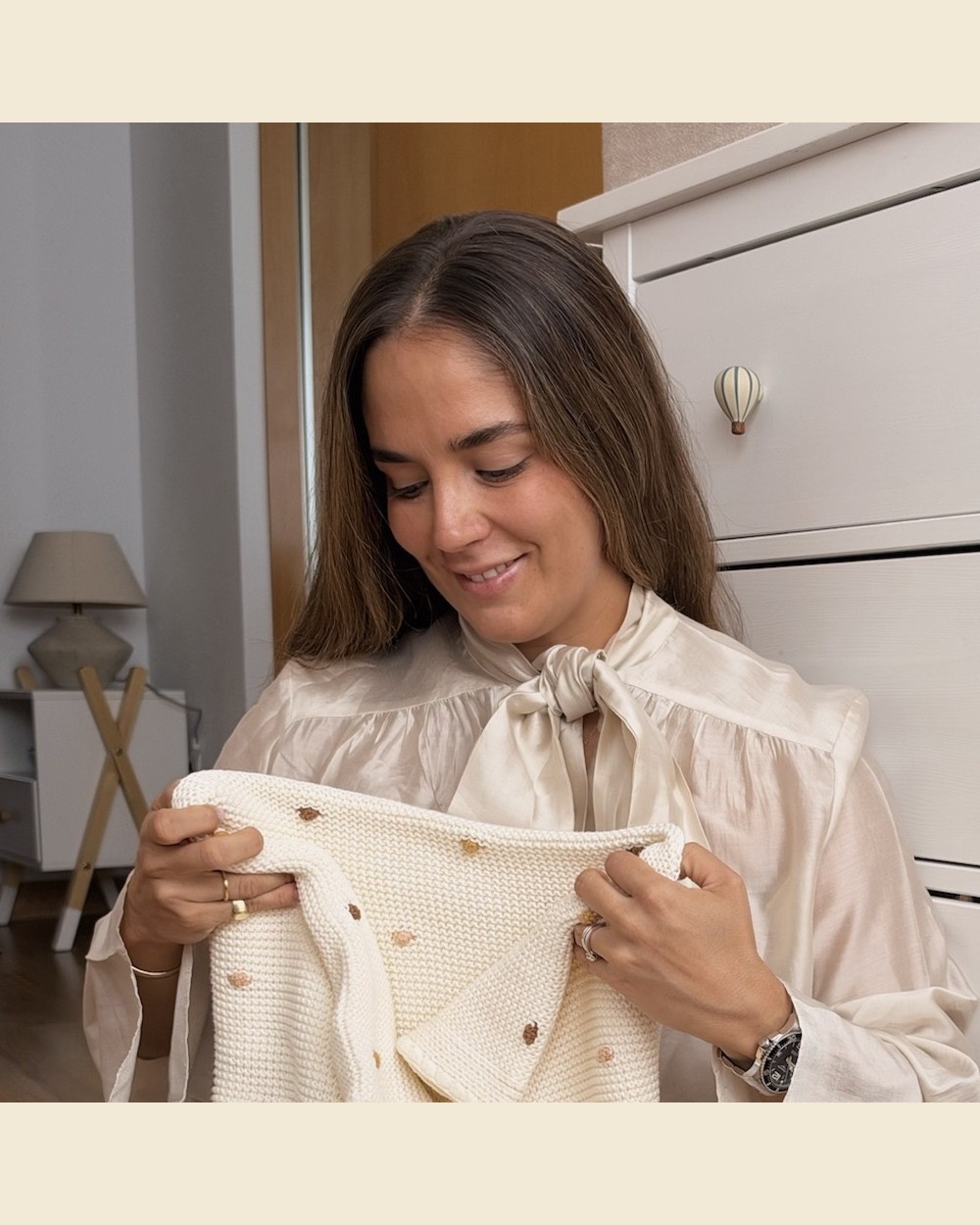
Hello — I'm Bea.
I find the things that make a nursery work — the basket, the lamp, the rug, the storage nobody thinks about — and show you exactly what they are, so you can put the room together yourself.
What this actually is
I'm not an interior designer and I don't take on clients. What I do is spend an unreasonable amount of time hunting for the pieces — comparing twelve storage baskets to find the two worth owning, working out which lamp is warm enough for night feeds, noticing that the shelf everyone recommends doesn't fit above a standard crib.
Then I show them two ways: inside rooms, where every item is listed and linked, and on their own in Finds, sorted by the moment you need them — storage, the nursing corner, feeding and bath, play, lighting, everything portable. Plenty of good things never belong to one particular room.
And I draw and sell my own printable wall art and party stationery. The art hanging in these rooms is mine: you buy the file, print it, frame it.
So, four things
Rooms broken down item by item. Finds, the pieces on their own. Guides for the practical half. And printables of my own, drawn in the same palette as everything else.
What I'm drawn to
Warm, natural materials, mostly. Oak and rattan, wool and linen, wicker and plaster. Colours that sit quietly in a room — olive, clay, ochre, oat, the occasional deep blue. Pieces chosen for how they feel to touch and how they age, rather than for how they photograph on day one.
I'm Spanish, and there's a European leaning in that palette I won't pretend isn't there. But it's an influence, not a rulebook, and it isn't the whole of what I like — I'll happily fall for something that doesn't fit the description at all if it's beautiful and it works.
The one thing I do keep coming back to is longevity. A room built around materials tends to still look right at four, and at eight, so you can add to it rather than start over. That's a preference, not a law — decorate however makes you happy. It's just the thread running through what I pick.
Any size of room
Plenty of what I pick was first tested in rooms that were genuinely tight, and that's a good school: it teaches you which things earn their place and which are just filling space. But it isn't the point, and it doesn't limit anything.
If anything, a large room is the harder brief. Space doesn't furnish itself, and the instinctive fix — buy more — is exactly what turns a generous nursery into a showroom nobody wants to sit in at 3am. Big rooms need anchoring and zoning, which almost nobody writes about because it's less photogenic than a clever small-space hack.
A wide nursery with a bay window or a converted box room: same method. One rug and one material palette to anchor the space, the budget concentrated in three or four pieces that outlast the baby stage, and everything else given room to breathe.
How this site pays for itself
Two ways, and I'd rather say both plainly. Some of the product links are Amazon affiliate links, which means I earn a small commission if you buy through them — it costs you nothing extra. And the printables in the shop are mine; those I design and sell myself.
No brand pays me to feature anything, and nothing here is a sponsored placement. I link to what I'd actually put in a room, and I say when I wouldn't.
What I won't recommend
I don't link to safety-critical baby products — cribs, crib mattresses, sleep products, bed rails or car seats. Those are safety decisions rather than taste decisions, and they belong with current safety guidance and your pediatrician, not with someone writing about rugs and lamps.
Short version: real materials, honest links, and a strong preference for things still doing their job in five years.